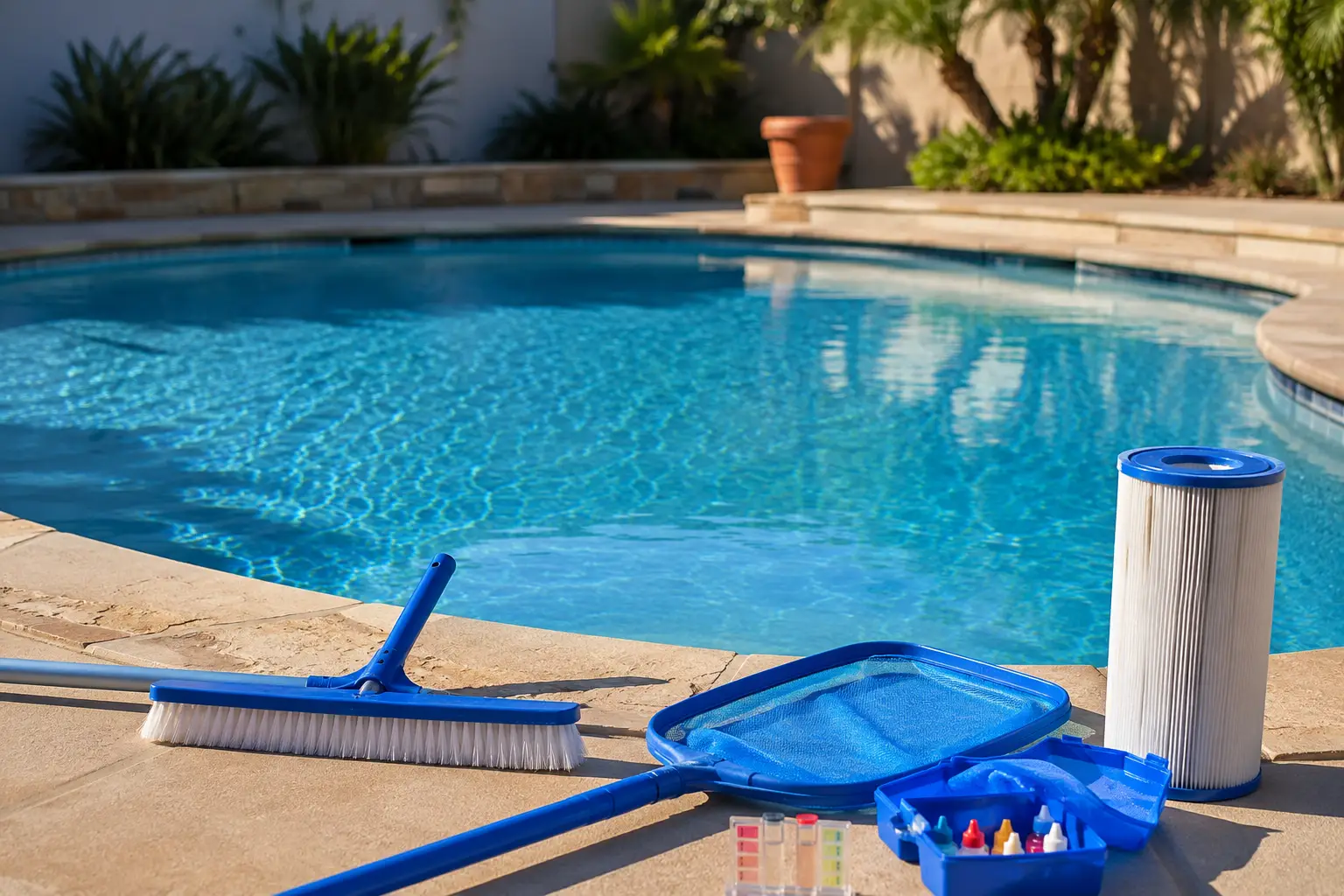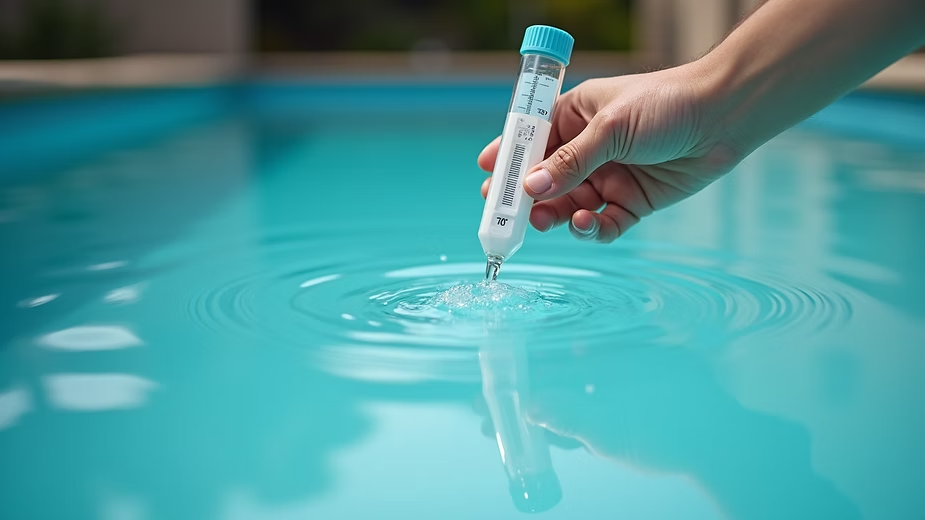
Saltwater pools rely on salt cells to generate chlorine through electrolysis, keeping the water clean and safe.The efficiency of these salt cells plays a crucial role in maintaining proper chlorine levels. One key factor that affects salt cell efficiency is temperature. Understanding how temperature influences salt cell performance can help pool owners optimize their system and avoid common issues.
How Salt Cells Work and Temperature’s Role
Salt cells convert dissolved salt in pool water into chlorine gas through an electrical process called electrolysis. This chlorine gas dissolves back into the water, sanitizing it by killing bacteria and algae. The process depends on several factors: Salt concentration in the water; Water flow rate through the cell; Electrical current supplied to the cell; Water temperature. Each of these factors influences how efficiently the salt cell produces chlorine.
Water temperature directly affects the chemical reactions inside the salt cell. As temperature changes, the efficiency of chlorine production shifts. Higher temperatures increase efficiency: Warmer water speeds up the electrolysis reaction, allowing the salt cell to produce chlorine more effectively. Lower temperatures reduce efficiency: Cold water slows down the reaction, causing the salt cell to work harder or produce less chlorine. Most salt cells operate best between 70°F and 90°F. Outside this range, efficiency drops.
Practical Effects of Temperature on Pool Maintenance
Temperature fluctuations throughout the year impact how pool owners manage their saltwater systems. Summer months: Warm water improves salt cell efficiency. Pool owners may notice chlorine levels stay stable with less effort. Winter months: Cooler water reduces chlorine production. Pool owners often need to adjust settings or add supplemental chlorine to maintain sanitation. Some salt cells have a freeze protection mode that shuts down chlorine production below certain temperatures, typically around 50°F.
Tips to Maintain Salt Cell Efficiency with Temperature Changes
Pool owners can take several steps to keep their salt cells running efficiently: Monitor water temperature regularly; Adjust chlorine output settings; Maintain proper salt levels; Clean the salt cell regularly; Consider a pool heater.
Example: Salt Cell Efficiency in a Seasonal Climate
A pool owner in a region with cold winters and hot summers noticed chlorine levels dropping during winter despite running the salt cell at maximum output. After measuring water temperature, they realized the cell was shutting down below 50°F to prevent damage. To maintain sanitation, they added liquid chlorine during winter and reduced salt cell output in summer when water temperatures reached 85°F. This approach balanced chlorine levels year-round and extended the salt cell’s lifespan.
Pool owners should watch for these signs: Sudden drop in chlorine levels during cold weather; Salt cell not producing chlorine despite proper salt levels and power; Frequent need to add chlorine manually in cooler months; Salt cell error codes related to temperature or freeze protection. Addressing these signs early prevents water quality problems and costly repairs.
Final Thoughts on Temperature and Salt Cell Efficiency
Temperature plays a significant role in how well salt cells produce chlorine. Warmer water boosts efficiency, while colder water slows it down or stops production. Regular monitoring, proper salt levels, and timely adjustments help salt cells perform their best regardless of temperature changes.
Contact us today to schedule a salt system inspection or to learn more about how our reliable maintenance plans can keep your salt cell performing efficiently year-round!